





Key Takeaways
Call something an emergency when it threatens health, safety, or the structure and can't wait for business hours.
Put your emergency list, response targets, and spending limit in writing before the first after-hours call.
California habitability law covers heat, hot and cold water, gas, plumbing, and electricity, so losing one of them raises a repair's priority.
24/7 coverage can be especially useful for owners who live far from the property or can't answer calls during the workday.
A resident texts at 11 p.m. that the kitchen ceiling is dripping. Is that an emergency maintenance call, or can it wait until morning? New landlords often have to make that decision quickly, and getting it wrong can mean paying an unnecessary after-hours fee or allowing property damage to spread.
Beyond Property Management has worked with San Diego County owners since 2006. Below, we separate emergencies from urgent and routine repairs, explain California habitability considerations, and outline an after-hours maintenance process.
Contact The Beyond Property Management Team!
What Counts as Emergency Maintenance in a Rental?
An emergency is a condition that threatens someone's health or safety or could cause serious property damage within hours. Ask three questions:
Could someone get hurt or sick tonight?
Is property damage actively spreading?
Is the home unsecured or missing an essential utility?
A yes to any of these questions can justify emergency action.
True Emergencies
Examples include:
A gas smell or suspected leak. The resident should leave and contact 911 and the gas utility first.
Fire or smoke damage after the fire department clears the property.
Sewage backup.
Flooding, a burst pipe, or an uncontrollable roof leak.
No running water.
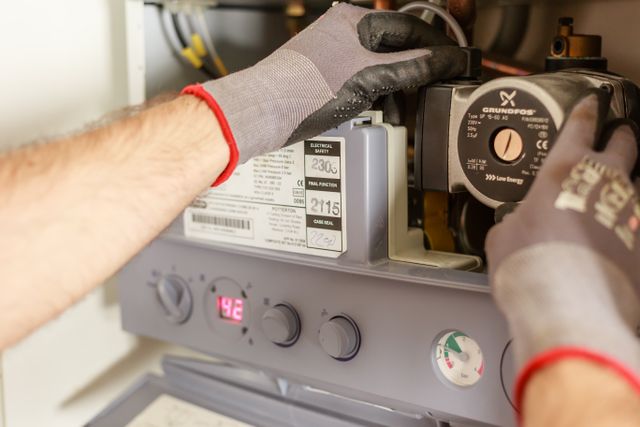
No heat during cold weather.
Sparking outlets, burning smells, or exposed wiring.
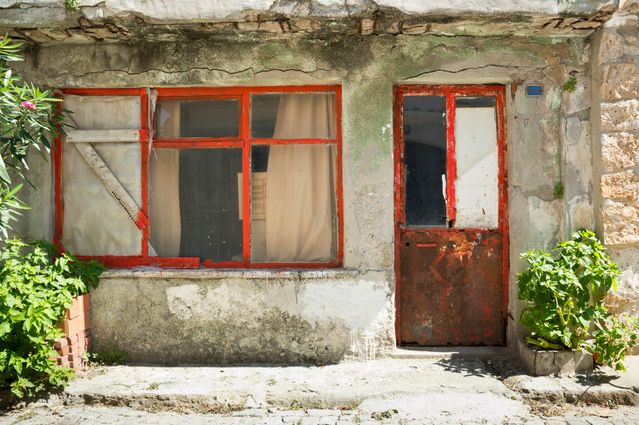
A break-in or damaged door, window, or lock that leaves the home unsecured.
If an outage originates with the utility provider rather than the property, the resident should contact the utility.
Urgent and Routine Repairs
Urgent repairs require prompt attention but usually don't require a midnight vendor visit. Examples include no hot water without an active leak, a failed refrigerator or stove, or a nonworking toilet when another bathroom is available.
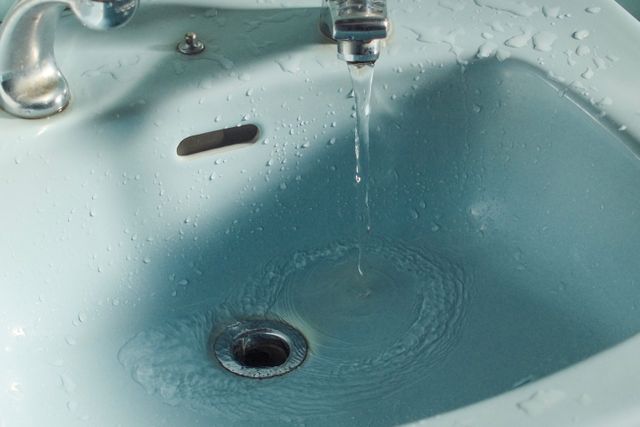
Routine maintenance includes issues such as a dripping faucet, running toilet, slow drain, or burned-out bulb. These problems should still be scheduled promptly because ignored maintenance can become more serious.
California Habitability Considerations
Every California residential lease includes an implied warranty of habitability. Civil Code 1941.1 identifies requirements including weatherproofing, functioning plumbing, hot and cold running water, gas, heating, electrical systems, and sanitation. Losing one of these services can make a repair significantly more urgent.
If an owner fails to repair a covered problem within a reasonable time, Civil Code 1942 provides certain remedies, including repair and deductions under qualifying circumstances. The statute limits repair-and-deduct costs to one month's rent and its use to no more than twice in 12 months. What constitutes a reasonable repair period depends on the seriousness of the problem.
Newer requirements, including AB 628, also address working stoves and refrigerators. Owners should confirm how current rules apply to their property with a California attorney.
Who Pays for Emergency Repairs?
Owners generally pay to repair building systems and habitability problems caused by age, wear, or equipment failure. Residents may be responsible for damage they or their guests cause beyond normal wear.
For example, a supply line that fails because of age would typically be an owner expense, while damage caused by a resident leaving a tap running may be handled differently.
Photos and a vendor's written explanation of the cause can help resolve disputes. Owners should also establish a written spending limit for anyone authorized to approve emergency repairs.
How to Set Up a Resident Reporting Process
Create the process before an emergency happens:
Provide one phone number for emergencies and a written reporting channel for routine maintenance.
Give residents a written emergency list and tell them to call 911 first for fire, gas, and medical emergencies.
Require residents to call for emergencies rather than relying on texts or portal messages overnight.
Show residents important shutoffs, including the main water valve and electrical panel, at move-in.
Identify a plumber, electrician, and water-mitigation company in advance.
Record when each request was reported, answered, and resolved.
Emergency Maintenance Rental Response Times
California doesn't establish a universal number of hours for emergency repairs. Instead, repairs generally must occur within a reasonable time based on the circumstances.
As an operational starting point, owners might aim to acknowledge emergencies within an hour and stop active damage the same day. Urgent repairs can often be addressed within 24 to 72 hours, while routine work can be placed into the normal maintenance schedule.
Stopping immediate damage comes before completing the permanent repair.
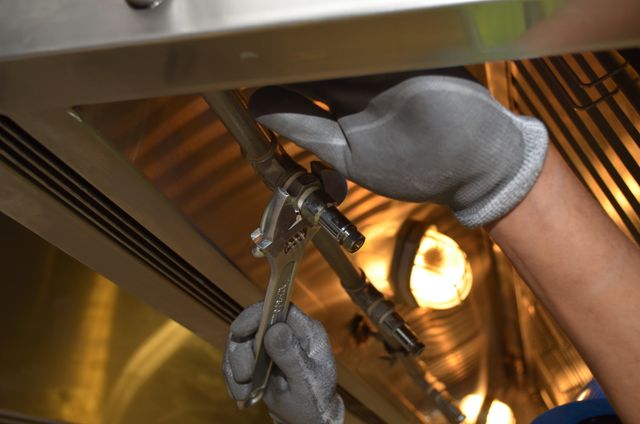
For example, a plumber might shut off and cap a leaking line overnight, then return during regular hours to finish the work.
Contact The Beyond Property Management Team!
After-Hours Maintenance Steps for Owners
When an after-hours call arrives, first determine whether everyone is safe. Anyone dealing with fire, smoke, or suspected gas should contact emergency services before property management.
If it is safe, ask the resident to limit additional damage, such as shutting off the main water valve during a leak. Then contact the appropriate pre-approved vendor, give the resident an estimated arrival time, and request photos or video.
Follow up the next day and document what happened. Questions about financial responsibility can be addressed after the immediate problem is controlled.
When 24/7 Coverage Is Worth It
Professional coverage can be useful when an owner cannot reliably answer emergency calls. That may include owners living outside San Diego County, people who travel frequently or have demanding work schedules, and owners without an established vendor network.
Condos can create additional urgency because water or other damage may spread into neighboring units or common areas.
Beyond Property Management provides 24/7 maintenance coordination from its San Diego and Encinitas offices. When comparing property managers, ask who handles after-hours calls, how emergencies are classified, and what spending limits apply before owner approval is required.
.jpg)
An owner who lives nearby, manages one property, and already has reliable contractors may instead choose to handle emergency maintenance directly.
Bottom Lines
Emergency maintenance is easier to manage when the important decisions are made before the phone rings. Create a written emergency list, establish response expectations and spending limits, and identify vendors in advance.
When a problem occurs, prioritize health and safety, stop active property damage, and document the response. California habitability requirements provide an important baseline for determining which repairs need prompt attention.
Beyond Property Management has managed San Diego County rentals since 2006, with no upfront cost and cancellation on seven days' written notice. Call Beyond Property Management for a free quote at (858) 222-4663.
Contact The Beyond Property Management Team!
Frequently Asked Questions
Can I Enter a Rental Without Notice During an Emergency?
California Civil Code 1954 generally requires notice before landlord entry but provides an exception for emergencies. Entry should be limited to what is necessary to address the emergency. Document when and why entry occurred and what was found.
What If a Resident Calls Something an Emergency and It Isn't?
Respond and assess the situation rather than ignoring the report. Ask about immediate safety and active property damage, provide appropriate temporary instructions, and schedule the repair at the correct priority. You can then remind the resident of the emergency criteria for future reports.
Is Air Conditioning Required in a California Rental?
California's statewide habitability statute identifies heating facilities but does not generally list air conditioning. However, lease terms and local requirements may create additional obligations. A failed air conditioner may also warrant faster attention during dangerous heat.
Can a Resident Hire Their Own Repair Person?
Civil Code 1942 provides a repair-and-deduct remedy under qualifying circumstances when an owner fails to address covered conditions within a reasonable time. It is limited to one month's rent and no more than twice in 12 months. Owners should consult a California attorney when a resident invokes this remedy.
What Should I Document After an Emergency Repair?
Keep the reporting and response timeline, before-and-after photos, invoices, relevant resident communications, and the vendor's explanation of what caused the problem. These records can support insurance claims, security deposit accounting, and later disputes.