




Key Takeaways:
Including landscaping in rent ensures consistent maintenance, protecting curb appeal and long-term property value.
Relying on tenants often leads to neglect, plant damage, and costly restorations due to lack of expertise and consistency.
Poor landscaping can increase vacancy time, reduce rental appeal, and create compliance risks with local regulations.
Professional, scheduled landscaping supports safety, sustainability, and a better overall rental experience for both landlords and tenants.
When landlords think about maintaining a rental property, the focus is often on interiors, repairs, and rent collection. However, the exterior of the property, especially landscaping, plays just as important a role in protecting your investment.
A well-maintained yard does more than make a home look good. It helps preserve property value, supports compliance with local regulations, and contributes to a better overall rental experience.
Relying on residents to handle landscaping may seem convenient, but in practice, it often leads to inconsistent results and avoidable damage. Beyond Property Management has the ultimate guide for how property owners should address tenant-landscaping.
Learn More About the Beyond Property Management Team
Why Landscaping Shouldn’t Be Left to Tenants
It might seem reasonable to expect residents to take care of the yard, but landscaping requires consistency, knowledge, and attention to detail. These are not always priorities for someone renting the property.
Most residents are not familiar with proper plant care. Different plants require different watering schedules, trimming methods, and seasonal maintenance. Without that understanding, even small mistakes can affect the health of the entire yard.
Consistency is another challenge. Lawn care can easily be delayed or overlooked due to busy schedules. What starts as a missed mowing session can quickly turn into overgrown grass, weeds, and neglected plants.
There is also the issue of long-term care. Residents may not feel responsible for preserving landscaping that they do not own. As a result, maintenance may be minimal, focused only on appearance rather than plant health.
Over time, these factors can lead to noticeable deterioration, which often requires significant time and cost to restore.
The Risks of Poor Landscaping Maintenance
Neglected landscaping does not just affect appearance. It can lead to real financial and operational issues for property owners.
When yards are not properly maintained, problems can develop quickly. Grass may die due to improper watering, plants may become overgrown or unhealthy, and irrigation systems may fail. These issues can reduce curb appeal and make the property less attractive to future residents.
More importantly, neglected landscaping can lead to higher restoration costs. Replacing damaged plants, repairing irrigation systems, and restoring lawns often costs far more than regular maintenance would have.
There is also the impact on leasing. A property with poor curb appeal tends to stay on the market longer, which can increase vacancy time and reduce rental income.
Landscaping Considerations for California Landlords
In California, landscaping involves more than aesthetics. Property owners must also consider safety regulations and environmental guidelines.
Fire Safety Requirements
Many areas require property owners to maintain defensible space around structures. Overgrown vegetation or dry landscaping materials can increase fire risk, especially during warmer months.
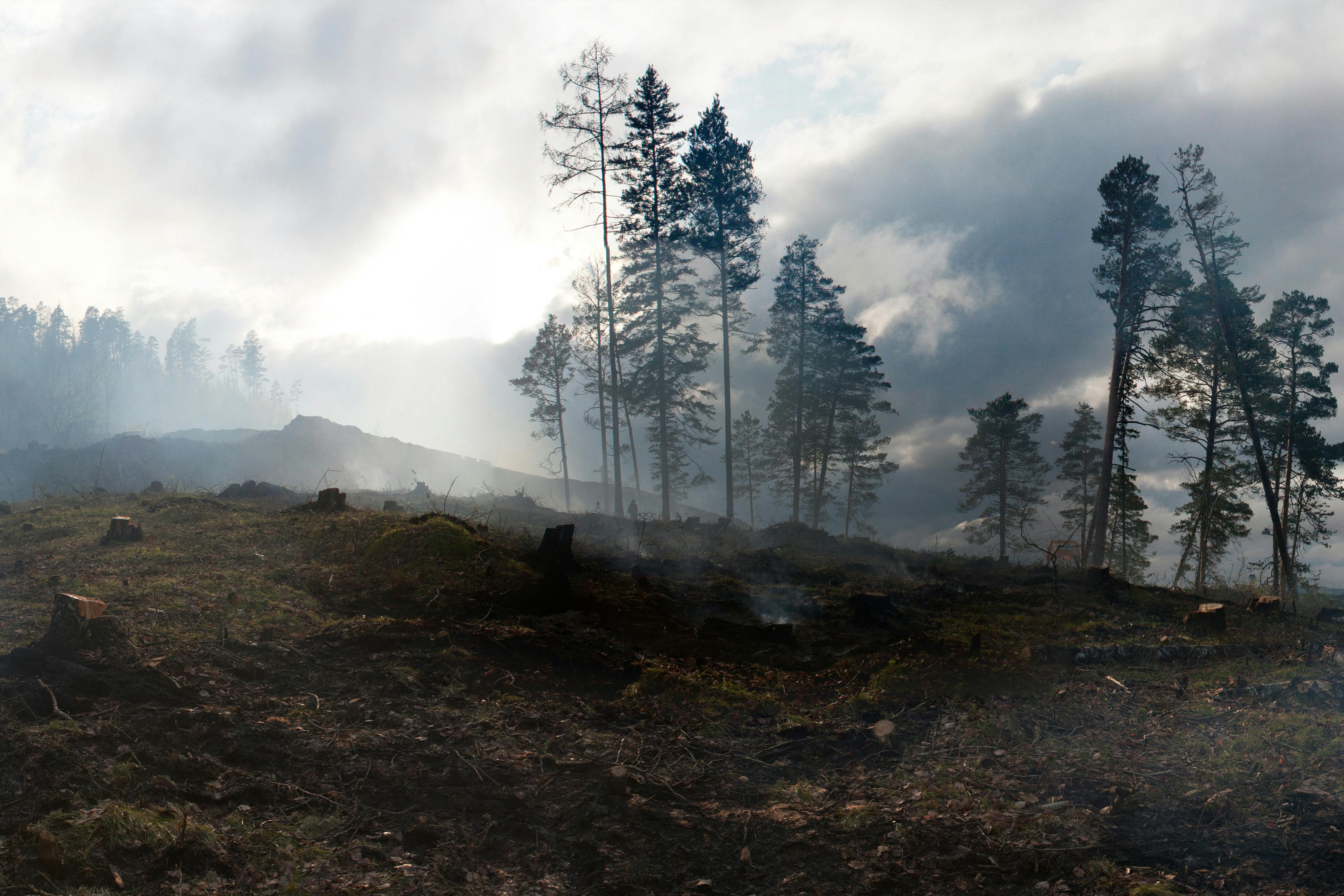
Keeping vegetation trimmed and properly maintained helps reduce this risk and ensures compliance with local safety standards.
Water Use and Drought Conditions
California’s water conservation efforts affect how landscaping should be managed. Efficient irrigation systems and drought-tolerant plants are often necessary to meet local guidelines.
Without proper planning, overwatering or inefficient systems can lead to higher utility costs and potential compliance issues.
Local Code Compliance
Cities and municipalities may enforce property maintenance standards. Neglected landscaping can lead to warnings or fines if it violates local ordinances.
Maintaining the yard consistently helps avoid these issues and keeps the property in good standing.
Learn More About the Beyond Property Management Team
A Real-World Scenario
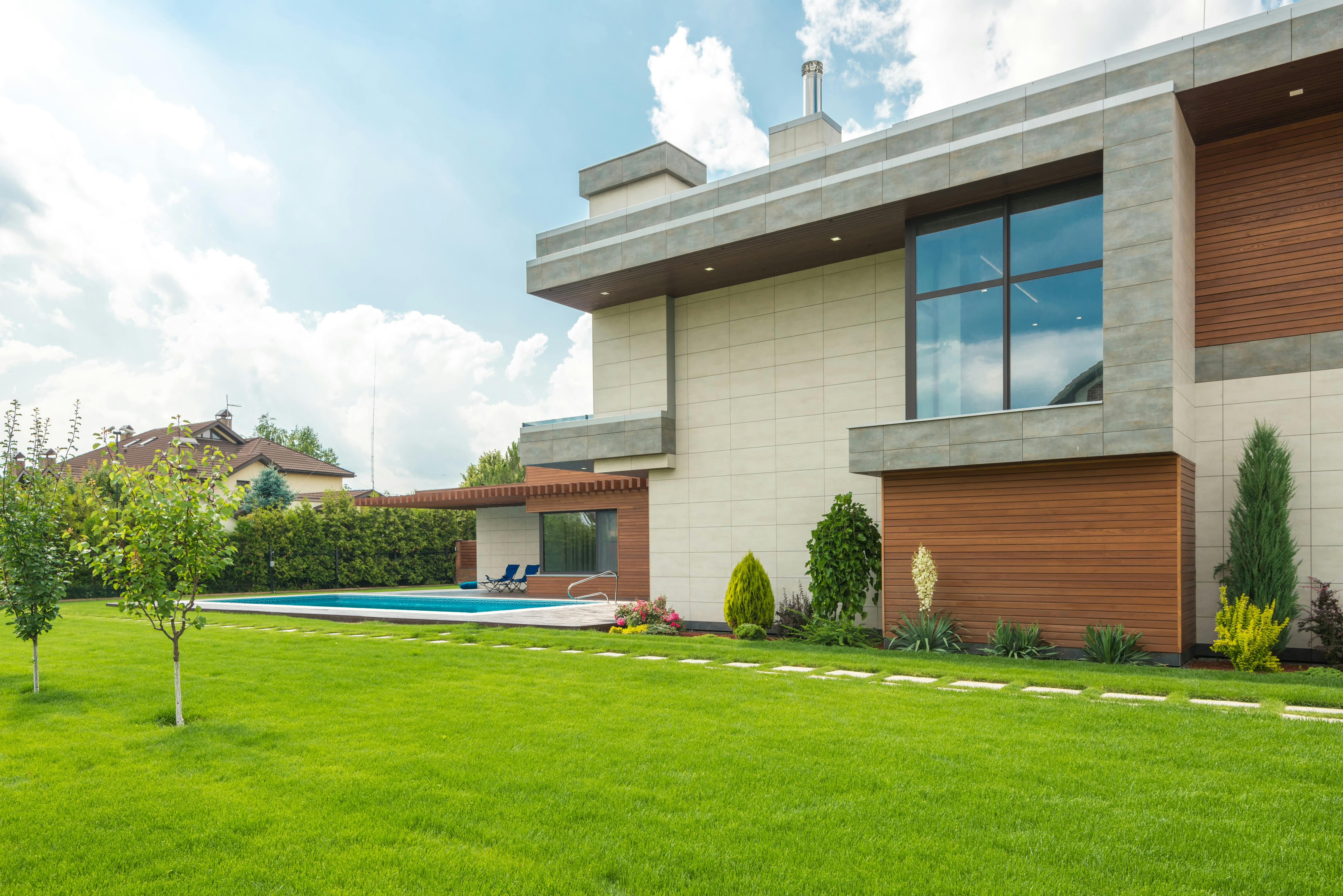
Consider a rental property that begins with a well-maintained yard, healthy plants, and a clean lawn. The responsibility for landscaping is passed on to the resident.
Over time, maintenance becomes inconsistent. Watering schedules are irregular, trimming is delayed, and weeds begin to grow along the edges of the property. Plants that once added value to the home start to decline.
When the resident eventually moves out, the property requires extensive work to restore the yard. In addition to the cost of repairs, the property may take longer to rent due to its appearance.
This type of situation is common when landscaping is not managed consistently from the beginning.
The Advantages of Including Landscaping in Rent
Including landscaping as part of the rental arrangement provides several long-term benefits for property owners.
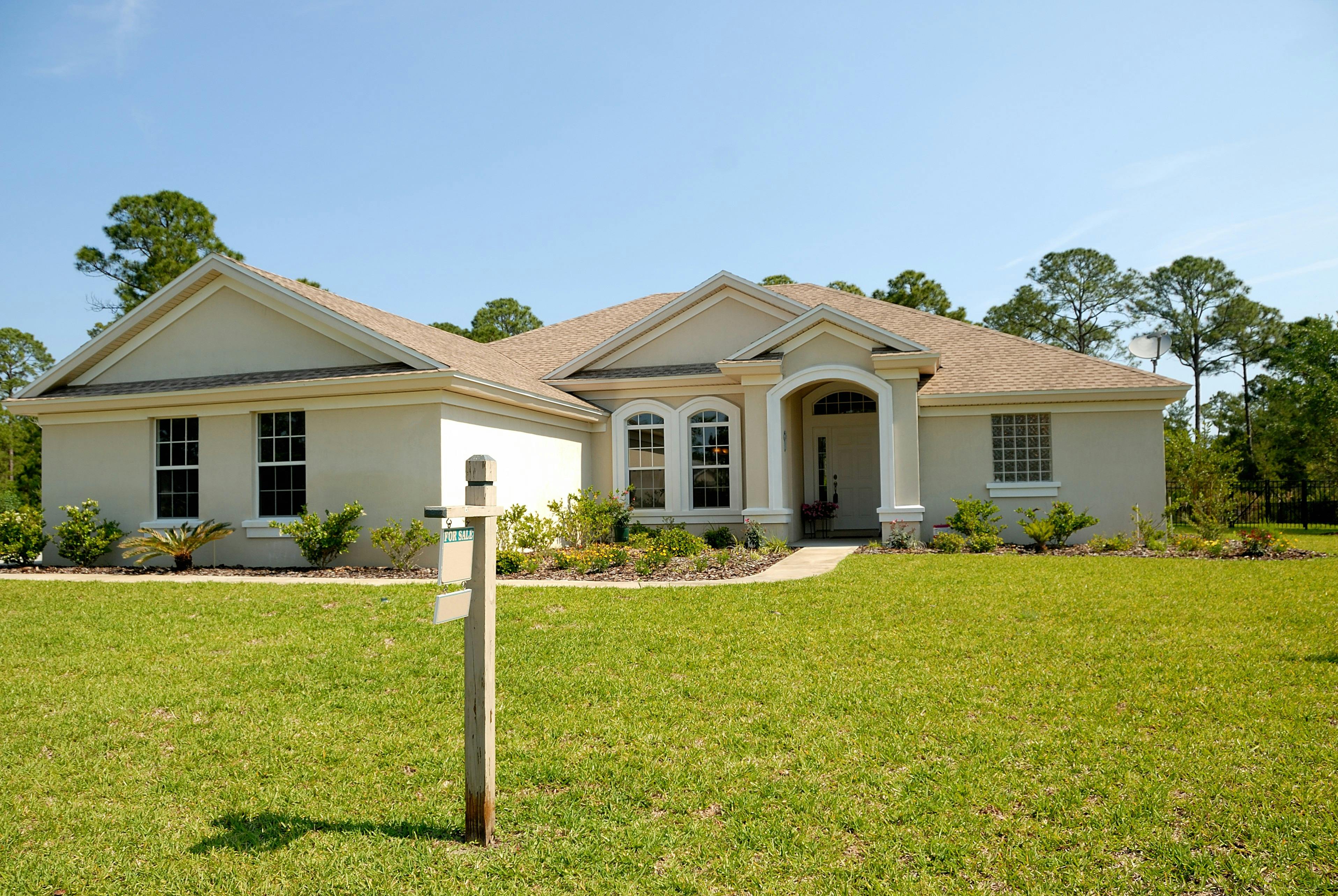
A well-maintained yard helps preserve the property’s appearance and supports its overall value. This makes the home more appealing to prospective residents and can reduce vacancy periods.
Consistent care also ensures that plants, lawns, and irrigation systems remain in good condition throughout the year. This reduces the likelihood of costly repairs or replacements.
In addition, handling landscaping at the property management level removes confusion. Residents are not responsible for yard care, which eliminates disputes about maintenance expectations.
Finally, consistent landscaping helps ensure that the property remains compliant with local safety and environmental requirements.
Best Practices for Managing Landscaping
To maintain consistent results, landscaping should be handled in a structured and proactive way.
Working with a professional landscaper ensures that the property receives proper care. Experienced providers understand plant types, seasonal maintenance needs, and local regulations.
Regular service schedules are also important. Routine visits help keep the yard in good condition and allow small issues to be addressed before they become larger problems.
It is also beneficial to design landscaping with long-term sustainability in mind. Using plants that are suited to the local climate can reduce maintenance needs and improve overall durability.
If tenants have a well-maintained and usable outdoor area, they will be happier, leading to longer tenancies and less turnover.
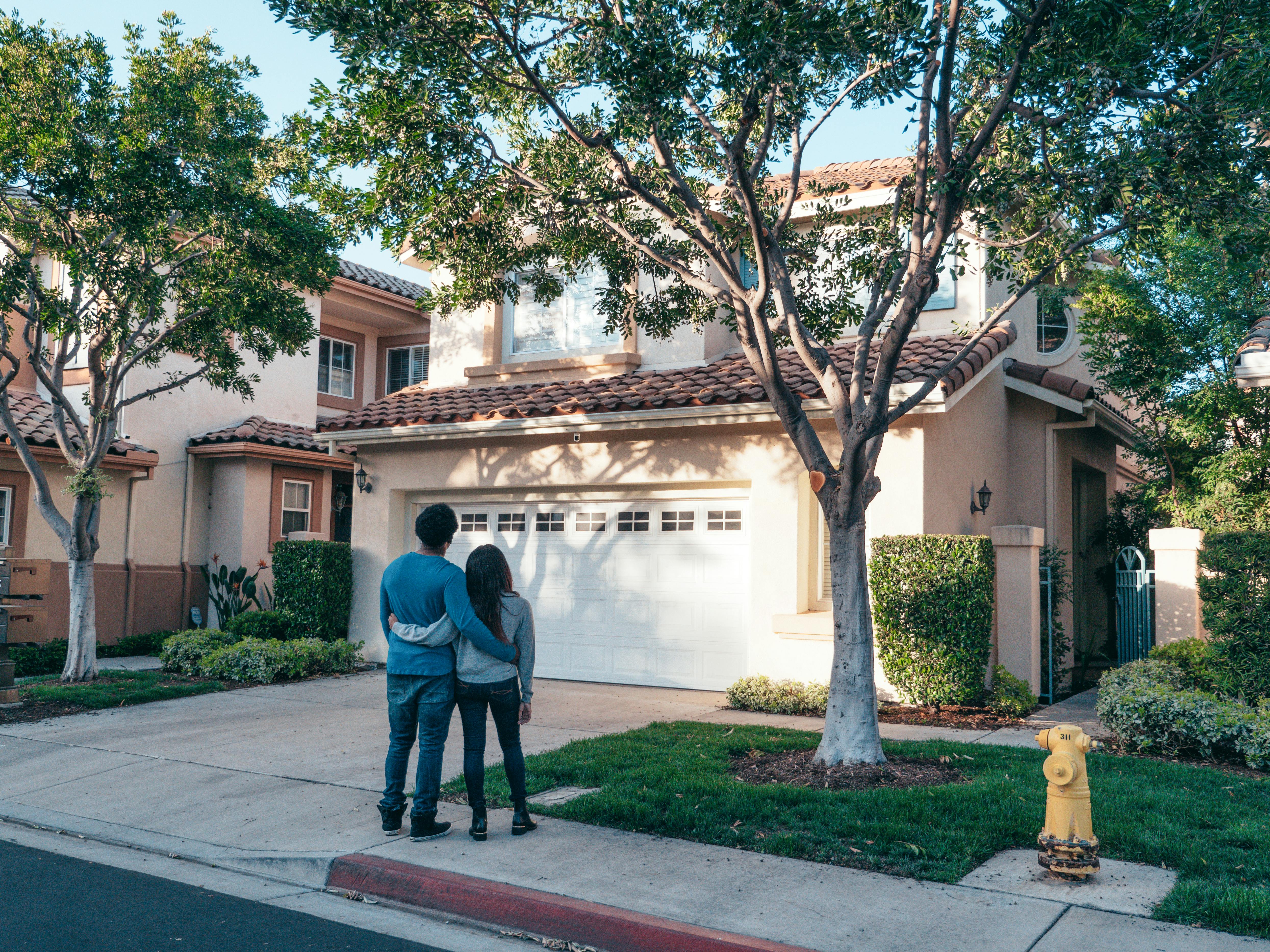
Including landscaping costs within the monthly rent simplifies the process. This approach ensures that maintenance is covered without requiring separate billing or coordination with residents.
Landscaping as Part of Long-Term Property Strategy
Landscaping should be viewed as part of the overall management strategy for a rental property. Just like maintenance and leasing, it contributes to the long-term performance of the investment.
A well-maintained exterior creates a strong first impression and sets expectations for how the property is managed. It also supports consistent operations by reducing unexpected maintenance issues.
Planning ahead and investing in regular landscaping services can prevent larger problems and protect the property’s value over time.
How Beyond Property Management Supports Property Owners
Beyond Property Management works with property owners to ensure that landscaping is handled consistently and professionally. Their approach includes coordinating with reliable vendors, scheduling regular maintenance, and integrating landscaping into the overall management plan.
By managing landscaping as part of the rental structure, property owners can avoid the risks associated with inconsistent care and ensure that their property remains well-maintained throughout the lease.
Final Thoughts
Landscaping is not just a cosmetic feature. It plays a key role in protecting property value, maintaining compliance, and supporting a positive rental experience.
Leaving yard care entirely to residents can lead to inconsistent results and higher long-term costs. Including landscaping as part of your rental strategy provides greater control, better outcomes, and fewer surprises.
For landlords, consistent landscaping is an investment in the property’s future, helping ensure that it remains attractive, functional, and well-maintained year after year. Reach out to the experts at Beyond Property Management if you need assistance.
Learn More About the Beyond Property Management Team