


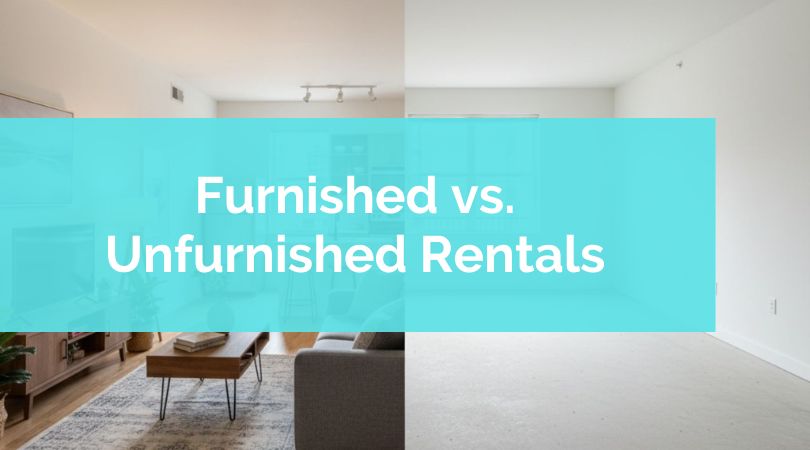
Furnished or unfurnished rentals are often framed as a pricing decision, but the real impact shows up elsewhere. Tenant stability, maintenance costs, turnover frequency, and even emotional stress all change based on how a property is offered. Many owners assume leaving furniture behind will justify higher rent. In most long-term rental markets, that assumption does not hold up.
Understanding how tenants behave, how furnishings depreciate, and how turnover affects net income leads to clearer decisions and fewer surprises down the line.
Furnished Rentals: Convenience With Trade-Offs
Furnished rentals appeal to a narrow segment of renters. These tenants tend to prioritize convenience and speed over permanence, which directly influences how long they plan to stay and how they treat the home.
Who Typically Rents Furnished Homes
Furnished rentals often attract renters who are:
Relocating temporarily
Between home purchases
Recently divorced or downsizing
Testing a new city before committing
These renters usually plan shorter stays. Convenience matters more than personalization, and long-term roots are rarely the goal. Demand for furnished housing also tends to shift based on timing and location, and housing vacancy and rental demand trends help explain why unfurnished long-term rentals remain more stable in most residential markets.
Why Furnished Rentals Rarely Command Higher Rent
Despite common belief, furnished rentals do not automatically generate higher monthly rent in standard long-term lease markets. Instead, owners often experience:
Higher turnover
Increased cleaning and maintenance costs
Greater wear on furniture and fixtures
Furniture absorbs use differently than walls or flooring. Sofas, dining chairs, and beds all have limited lifespans, and those costs surface faster with frequent tenant changes. Many owners underestimate how quickly furnishings lose value over time, especially when turnover is frequent.
Unfurnished Rentals: Stability and Longevity
Unfurnished rentals require more effort from tenants upfront, which changes renter behavior in meaningful ways.
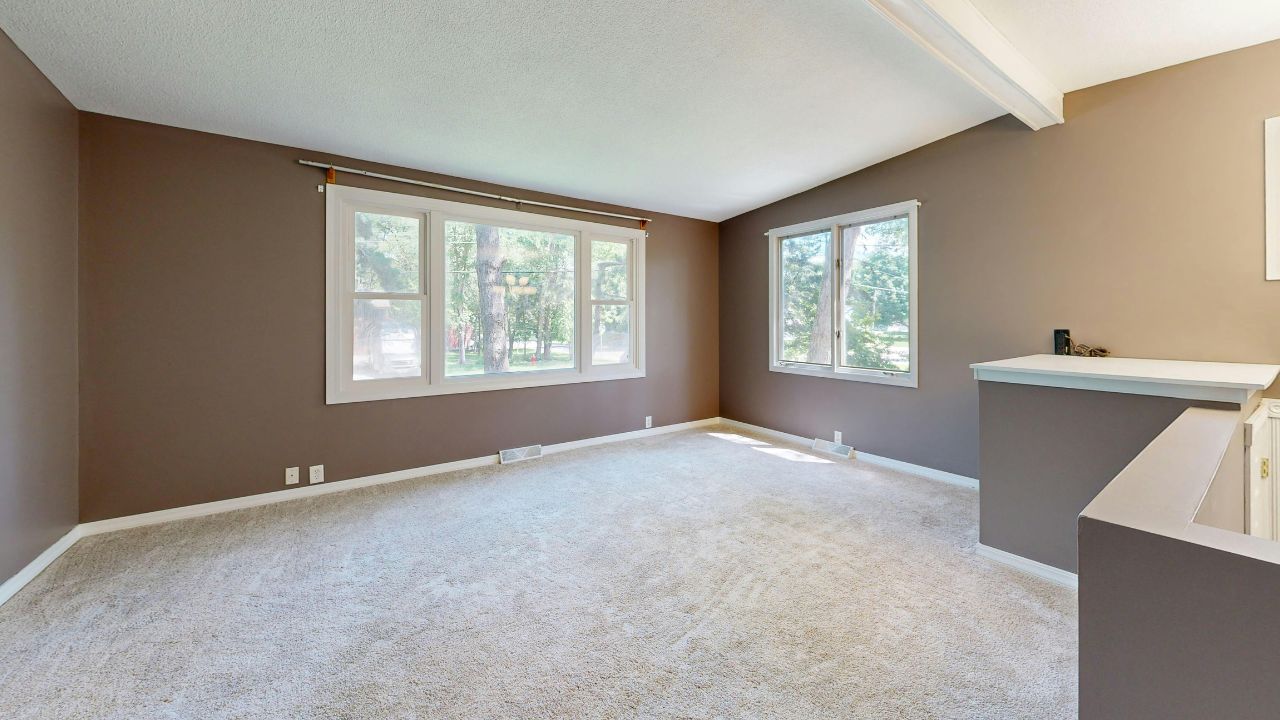
Why Long-Term Tenants Prefer Unfurnished Homes
When tenants bring their own furniture, they are committing time, money, and effort. Hiring movers, unpacking, and settling in are not short-term decisions. As a result, unfurnished homes tend to attract renters who:
Plan to stay longer
Treat the property as a home, not a stopover
Are more invested in upkeep and care
Longer tenancies reduce vacancy loss, leasing fees, and maintenance resets. Over time, this stability often produces better net returns than slightly higher rents with frequent turnover.
Owners evaluating long-term strategy often benefit from reviewing long-term rental planning considerations for San Diego owners to understand how tenant longevity impacts overall performance.
Wear, Tear, and the Hidden Cost of Furniture
Furniture changes how wear and tear is calculated and managed.

Depreciation Matters More Than Replacement Cost
If a tenant damages a couch or dining set, the full replacement cost is rarely recoverable. Furniture depreciates, meaning only the remaining value can typically be charged, not the cost of buying new. If a sofa has a seven-year useful life and is damaged in year five, only a portion of the value may be recoverable.
Clear documentation at move-in and move-out becomes critical. Photos, condition reports, and inventory lists protect owners from disputes and unrealistic expectations. The IRS treats furnishings as depreciating assets, not permanent fixtures.
Emotional Attachment Has No Place in Rentals
Any furniture placed in a rental should be assumed expendable. Emotional attachment leads to frustration and conflict. If an item would be upsetting to replace or see damaged, it should not be included.
Using garages or spare rooms as storage for personal belongings also works against property value. Reduced usable space lowers appeal and attracts less qualified renters.
If Offering Furnished, Do It Intentionally
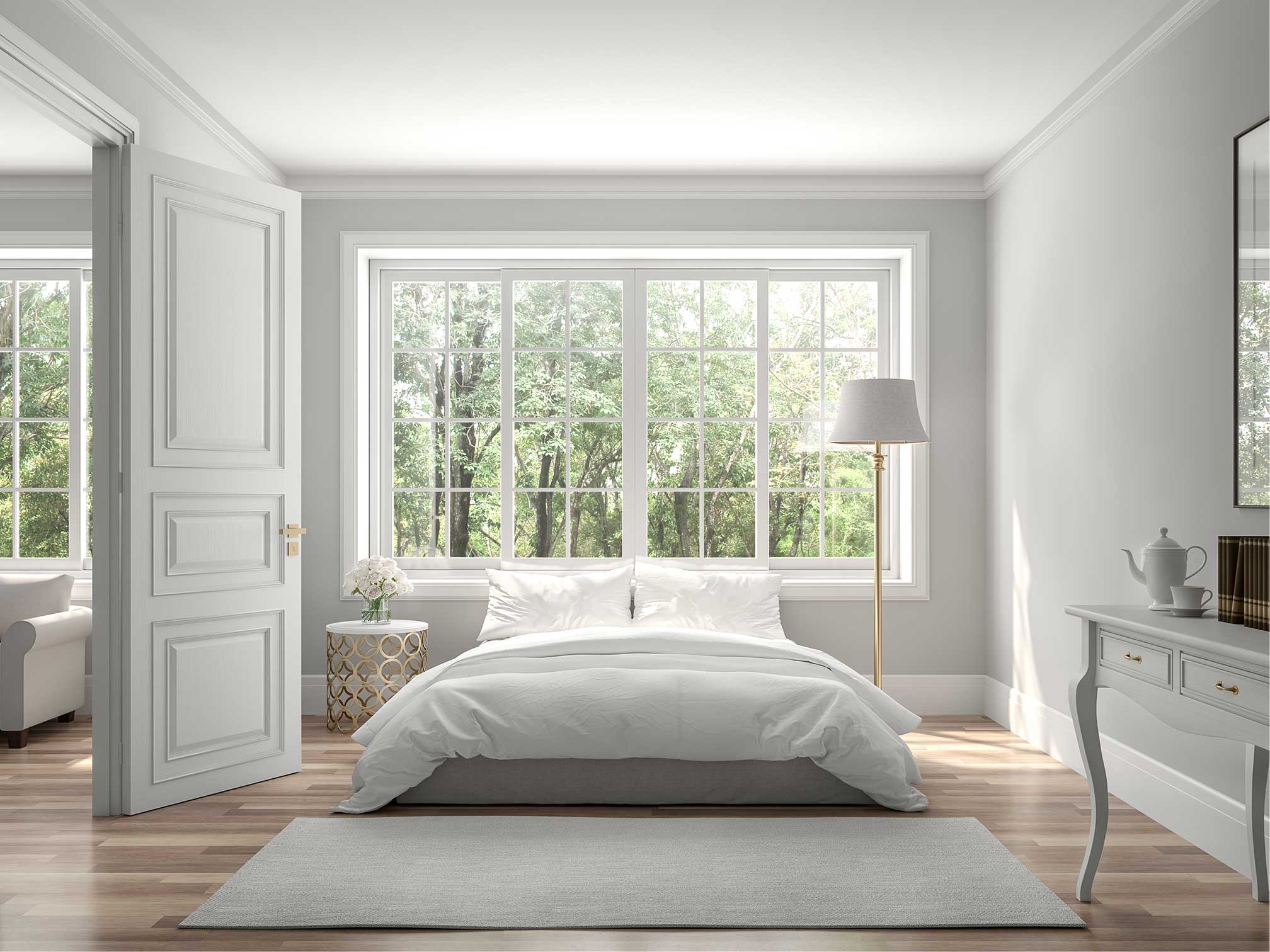
There are situations where furnished rentals make sense, but they require discipline.
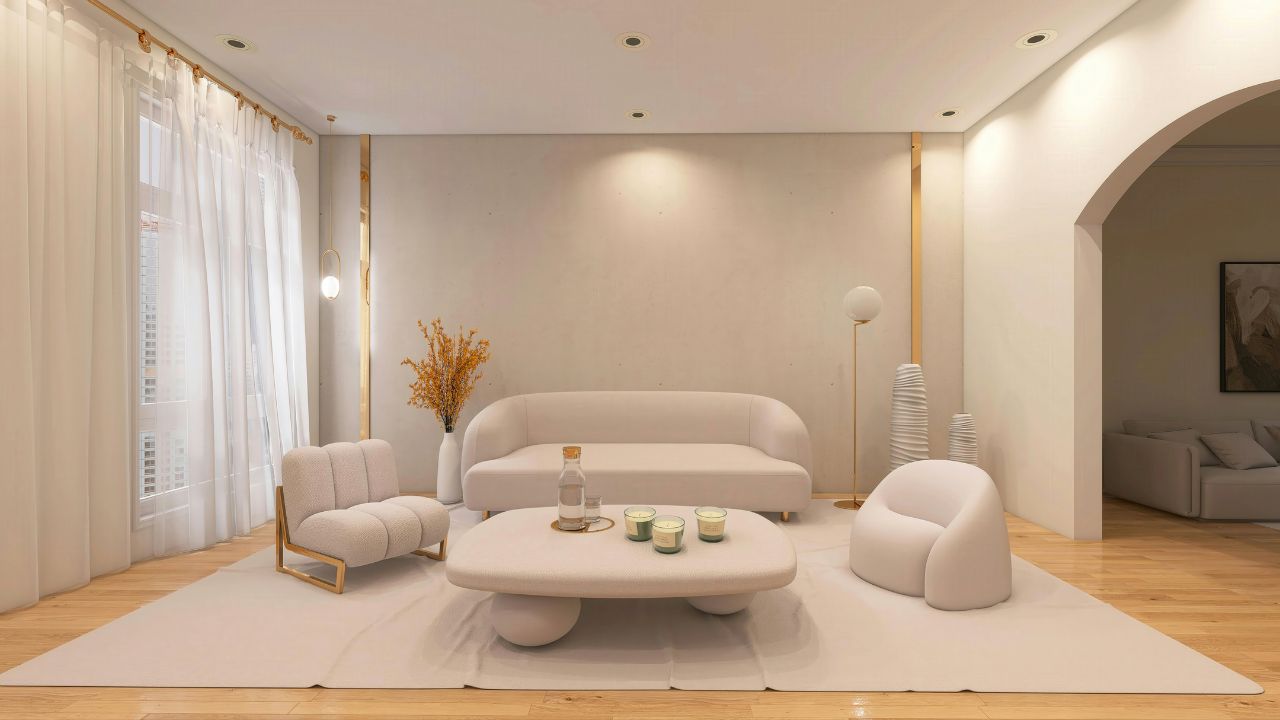
All or Nothing Furnishing Strategy
Partial furnishing creates confusion and dissatisfaction. Successful furnished rentals are fully furnished, not a collection of leftovers. That means:
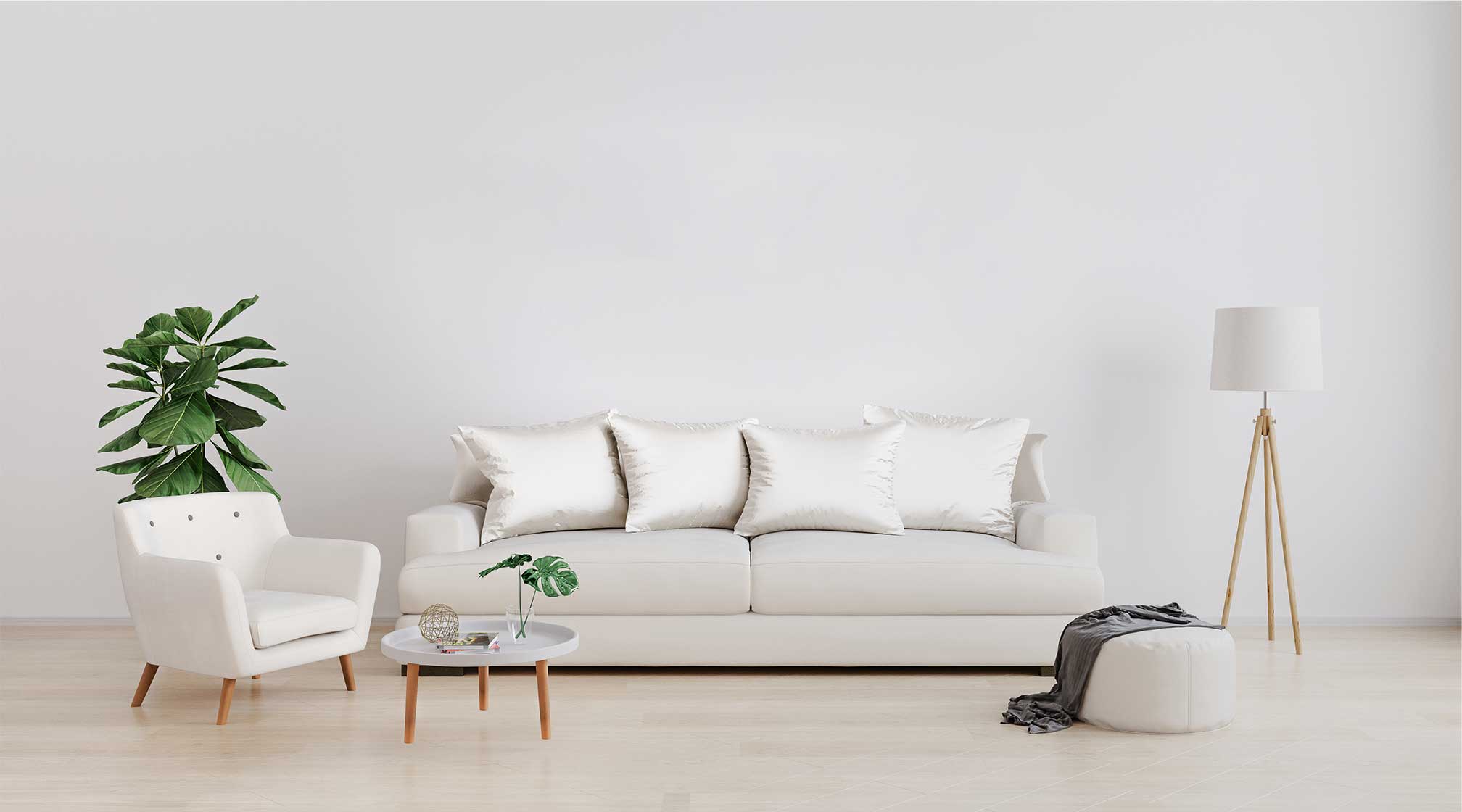
Living room furniture
Dining table and seating
Bedroom furniture with neutral bedding
Essential appliances only
Drawers, closets, and cabinets should remain empty. This is not a short-term rental setup, and personal items such as utensils, hangers, or decor should be avoided.
Owners unsure which approach fits their situation often weigh this decision alongside whether a furnished investment property truly makes financial sense.
Legal and Fair Housing Considerations
Furnishings can introduce unintended compliance issues. Advertising, screening, and leasing must remain consistent regardless of how the property is offered.

Rental terms must comply with fair housing standards, including consistent criteria and treatment across applicants. California owners, in particular, should remain mindful of state-specific fair housing obligations that influence rental decisions
Key Takeaways
Furnished rentals rarely generate higher rent in long-term markets
Short-term convenience often leads to higher turnover and faster wear
Unfurnished rentals attract longer-term, more stable tenants
Furniture depreciates and limits damage recovery
Emotional attachment increases stress and conflict
If furnishing, commit fully and document everything
Final Thoughts
There is no universal right answer when deciding between furnished and unfurnished rentals. The wrong decision usually comes from convenience rather than strategy. Owners focused on long-term stability, reduced turnover, and predictable expenses often find unfurnished rentals better aligned with their goals. Furnished rentals can work in specific situations, but only when expectations, documentation, and emotional detachment are firmly in place.
Clear planning, realistic assumptions, and guidance from experienced professionals like Beyond Property Management help owners make decisions that support both property performance and peace of mind.